

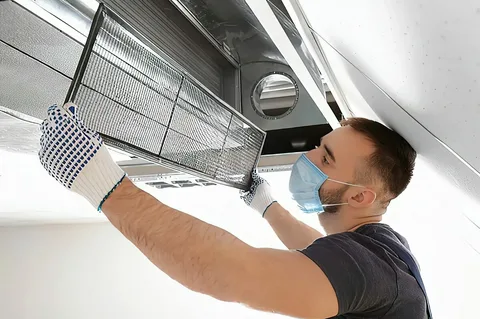
When it comes to home comfort, many people focus on their furnace or air conditioner. But there’s one important system that often gets overlooked—your ductwork. The air ducts in your home play a major role in delivering warm or cool air throughout the house. If these ducts are damaged or not working properly, your HVAC system can’t function efficiently. That’s where ductwork repair becomes essential.
In this blog, we’ll explain what ductwork is, why repairs are important, how to identify problems, and how expert repair services can improve airflow and energy efficiency in your home. Let’s explore how fixing your ducts can lead to a more comfortable and cost-effective living space.
What Is Ductwork and Why Does It Matter
Ductwork is the network of tubes that moves air from your heating or cooling system to different rooms in your house. It helps maintain a consistent indoor temperature and ensures that every room receives the air it needs.
If your ductwork is in poor condition, it can lead to uneven temperatures, higher energy bills, and poor air quality. Air leaks, gaps, or blockages in the duct system make your HVAC unit work harder, which increases wear and tear on the system and your wallet. Keeping your ducts in good shape is just as important as maintaining the HVAC system itself.
Common Problems Found in Ductwork
Over time, air ducts can develop issues that reduce airflow and make your system less efficient. Understanding these common problems will help you recognize when it’s time for ductwork repair.
1. Leaky Ducts
Leaks are one of the most common duct problems. Tiny holes or cracks in the ducts allow air to escape before it reaches your rooms. This means your HVAC system has to work harder to maintain the temperature, leading to higher energy bills and discomfort.
2. Disconnected or Loose Ducts
Sometimes, duct joints become loose or disconnected due to wear, poor installation, or movement in the home. When sections of ductwork are not properly connected, large amounts of air can leak out or get lost in unused spaces like the attic or crawl space.
3. Clogs or Blockages
Dust, dirt, and debris can build up inside your ducts over time. Sometimes, pests or rodents may even block the ductwork. These clogs reduce airflow and can cause certain areas of your home to receive less air than others.
4. Poor Insulation
In unconditioned spaces like attics or basements, ductwork should be properly insulated. Without insulation, the air inside the ducts can heat up or cool down before it even reaches the rooms, making your system work harder.
5. Aging or Damaged Ducts
Older homes often have ducts that are outdated, rusted, or damaged. These systems may not be as efficient as modern ones and might need professional assessment and repairs to bring them up to standard.
Signs You Need Ductwork Repair
Many homeowners don’t realize they have duct problems until their comfort or energy bills are affected. Look out for these signs that your system may need professional ductwork repair.
1. Uneven Room Temperatures
Do some rooms in your home feel too hot or too cold compared to others? This could be due to blocked, leaky, or disconnected ducts. If airflow isn’t evenly distributed, the affected rooms won’t get enough conditioned air.
2. Higher Energy Bills
When air is leaking or being wasted in your ducts, your HVAC system runs longer to keep your home at the desired temperature. This results in higher energy usage and more expensive monthly bills.
3. Weak Airflow from Vents
If you notice low airflow from your vents, it could mean there’s a blockage or damage somewhere in the duct system. Even if your HVAC unit is working properly, the air can’t get through if the ducts are compromised.
4. Noisy Ducts
Unusual sounds like rattling, whistling, or banging could indicate loose connections, holes, or pressure issues in the ducts. These noises are more than just annoying—they’re signs that repairs are needed.
5. Dusty Air or Poor Air Quality
Leaks in your ductwork can pull in dust, dirt, or pollutants from attics, basements, or crawl spaces. This reduces indoor air quality and can trigger allergies or respiratory issues for your family.
How Expert Ductwork Repair Improves Airflow and Efficiency
Hiring a professional for ductwork repair can make a big difference in how your HVAC system performs. Here’s how proper repairs can benefit your home:
1. Increased Comfort
When ducts are sealed and repaired properly, conditioned air flows freely to all rooms. This creates even temperatures and a more comfortable home environment, especially during extreme seasons.
2. Lower Energy Bills
By fixing leaks and blockages, your HVAC system doesn’t have to work as hard. This reduces energy usage and leads to noticeable savings on your monthly utility bills.
3. Extended HVAC Lifespan
A system that isn’t constantly struggling to push air through damaged ducts experiences less wear and tear. This can help extend the life of your heating and cooling system and reduce the need for expensive replacements.
4. Better Air Quality
Sealed and clean ducts prevent dust, mold, and other contaminants from circulating through your home. This leads to cleaner, healthier indoor air for you and your family.
5. Eco-Friendly Living
Efficient HVAC systems reduce your home’s carbon footprint. When your ductwork is in good shape, your system consumes less energy, which is better for the environment.
What to Expect During a Professional Duct Inspection
Before any ductwork repair can take place, a professional will usually begin with a thorough inspection. Here’s what you can expect during this process:
- Visual Inspection: The technician will check all visible ductwork for signs of damage, leaks, or disconnected parts.
- Airflow Testing: Tools may be used to measure how well air is flowing through the ducts and whether there are any blockages or pressure issues.
- Leak Detection: Advanced methods like smoke tests or thermal imaging may be used to identify hard-to-see leaks or weak spots.
- Repair Recommendations: After the inspection, the technician will explain the problems found and recommend repairs or improvements based on the condition of your duct system.
DIY Tips to Keep Ducts in Good Shape
While professional help is best for major ductwork repair, there are a few simple steps you can take on your own to keep your ducts in better condition:
1. Change Filters Regularly
A clogged air filter makes your HVAC system work harder and reduces airflow. Make sure to replace filters every 1 to 3 months.
2. Keep Vents Unblocked
Make sure furniture or curtains are not covering your air vents. This helps maintain proper airflow and reduces pressure on your ducts.
3. Clean Around Registers
Dust and debris can build up near vents and get pulled into the ducts. Regularly cleaning the area around your registers can help keep your ducts cleaner.
4. Inspect Visible Ducts
Look at exposed ductwork in attics or basements and check for any loose connections, damage, or signs of leaks. If you see something concerning, call a professional for help.
5. Schedule Annual Maintenance
Have a professional HVAC technician inspect your system once a year. They can catch small problems early before they turn into major issues.
Conclusion
If you’ve been noticing uneven temperatures, poor airflow, or higher energy bills, your duct system might be to blame. Efficient airflow and proper temperature control depend on a well-functioning duct network. With expert ductwork repair, you can restore your home’s comfort, lower energy costs, and improve the quality of the air you breathe.
Don’t wait for problems to get worse. Whether you live in a new or older home, having your ductwork inspected and repaired can make a big difference in your daily comfort. Reach out to a trusted HVAC professional today to assess your ducts and enjoy the benefits of a healthier, more efficient home.