

Choosing the right air conditioning system for your home is an important decision that impacts comfort, energy efficiency, and long-term savings. With various options available, understanding the key factors involved in selecting an air conditioning system can help homeowners make informed choices.
Understanding Your Home’s Cooling Needs
Before selecting an air conditioning system, assessing your home’s cooling requirements is essential. The size of your home, insulation quality, and climate all play a role in determining the best system. An improperly sized air conditioning system can lead to inefficiency, higher energy costs, and inconsistent cooling. Consulting an HVAC professional can help determine the ideal unit for your space.
Types of Air Conditioning Systems
There are several types of air conditioning systems available, each with its own advantages and considerations.
- Central Air Conditioning: This system is ideal for cooling an entire home. It operates through a network of ducts and is effective in maintaining consistent indoor temperatures. A central air conditioning system is a preferred choice for larger homes and those looking for whole-home cooling solutions.
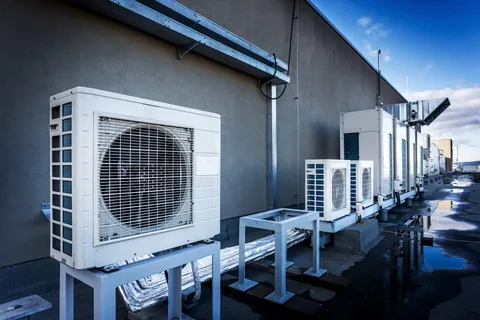
- Ductless Mini-Split System: These systems provide efficient cooling without the need for ductwork. They are ideal for homes where adding ducts is impractical or for cooling specific zones. They also offer individualized control, allowing for energy savings in unoccupied rooms.
- Window Units: These are compact and suitable for cooling individual rooms. While more affordable upfront, they may not be as energy-efficient as other options. They are best suited for small apartments or single rooms where installing a larger system is not feasible.
- Portable Air Conditioners: These offer flexibility and can be moved from room to room. However, they tend to be less effective for cooling large spaces and may require venting through a window or door.
Energy Efficiency and SEER Ratings
Energy efficiency plays a crucial role in the effectiveness and cost savings of an air conditioning system. The Seasonal Energy Efficiency Ratio (SEER) rating measures efficiency, with higher ratings indicating better performance. Investing in a system with a high SEER rating can lead to lower energy bills and a reduced environmental impact. Look for ENERGY STAR-certified units to ensure optimal efficiency and long-term savings.
Installation Considerations
Proper installation is essential for the optimal performance of an air conditioning system. Factors such as ductwork, proper insulation, and professional installation services impact overall efficiency. Homeowners should work with experienced HVAC professionals to ensure correct installation and avoid potential issues. Poor installation can lead to airflow restrictions, system inefficiency, and increased energy consumption.
Maintenance and Longevity
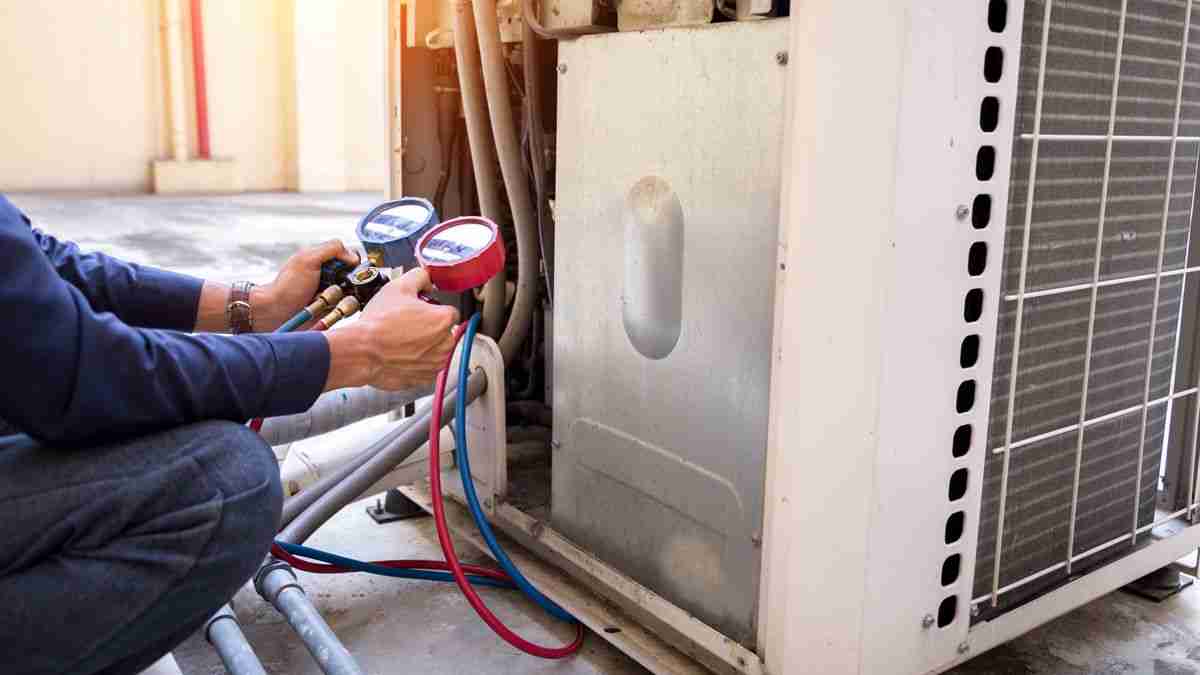
Regular maintenance is necessary to keep an air conditioning system operating efficiently. Changing filters, cleaning coils, and scheduling professional tune-ups can extend the lifespan of the system and improve performance. Neglecting maintenance can lead to breakdowns and increased energy consumption. Homeowners should schedule an annual inspection to identify potential issues before they escalate.
Smart Technology and Advanced Features
Modern air conditioning systems come equipped with smart technology, such as programmable thermostats and remote control options. These features allow homeowners to optimize cooling schedules and reduce energy consumption. Investing in an air conditioning system with smart capabilities can enhance comfort and convenience. Wi-Fi-enabled thermostats provide real-time temperature adjustments and energy tracking, ensuring cost-efficient cooling.
Budget and Cost Considerations
The cost of an air conditioning system varies based on type, size, and features. While upfront costs are important, long-term operating expenses should also be considered. A higher initial investment in an energy-efficient system can result in significant savings over time. Comparing different models and consulting HVAC experts can help homeowners make the best financial decision. Factoring in potential rebates and financing options can also make high-efficiency systems more affordable.
Environmental Impact
Choosing an environmentally friendly air conditioning system can reduce carbon footprints and promote sustainability. Systems with eco-friendly refrigerants and high efficiency ratings contribute to energy conservation. Exploring green cooling options can align with long-term environmental goals. Some systems offer solar-powered capabilities, further reducing dependency on traditional energy sources.
Choosing the Right HVAC Contractor
Selecting a reputable HVAC contractor ensures proper installation and maintenance. Homeowners should research customer reviews, check certifications, and seek recommendations. A qualified professional can guide homeowners in choosing the best air conditioning system for their specific needs. Verifying a contractor’s licensing and warranty offerings can help avoid costly errors and ensure reliable service.
Conclusion
Selecting the right air conditioning system is essential for maintaining a comfortable and energy-efficient home. By evaluating factors such as system type, energy efficiency, installation, and maintenance, homeowners can make informed decisions. Investing in a high-quality air conditioning system ensures long-term comfort, cost savings, and environmental benefits. Prioritizing smart technology, professional installation, and routine maintenance can further enhance the performance and lifespan of your cooling system.
FAQs
What size air conditioning system do I need for my home?
The appropriate size depends on factors like square footage, insulation, and climate. A professional assessment can determine the ideal capacity for your home. Oversized units may short-cycle, while undersized ones may struggle to maintain comfort.
How often should I service my air conditioning system?
Regular maintenance should be performed at least once a year to ensure efficiency and longevity. Systems in high-use areas may benefit from biannual servicing.
What is the average lifespan of an air conditioning system?
With proper care, an air conditioning system can last between 10 to 15 years. Higher-quality units and well-maintained systems tend to have longer lifespans.
Are ductless mini-split systems better than central air conditioning?
It depends on your needs. Mini-splits offer zoned cooling and efficiency, while central systems provide whole-home comfort. Homes without ductwork may find mini-split systems a more practical choice.
Do smart thermostats improve air conditioning efficiency?
Yes, smart thermostats help regulate temperatures and reduce energy consumption, leading to cost savings. They can be programmed to adjust temperatures when no one is home, optimizing energy usage.