

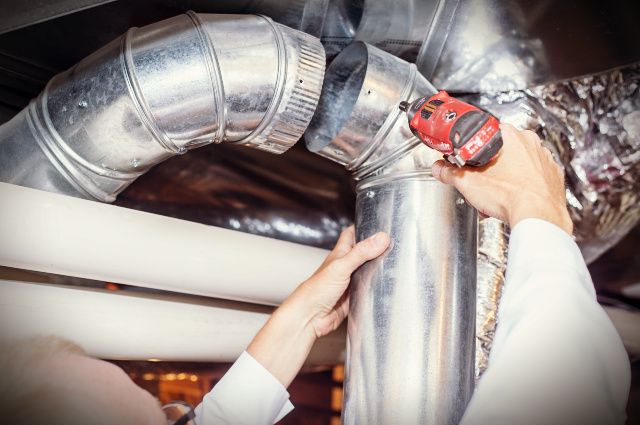
Your home’s ductwork is the hidden network that keeps your living spaces comfortable year-round. Whether you’re blasting cool air in summer or cozy heat in winter, your HVAC system relies on efficient air ducts to deliver that comfort to every corner of your house. However, over time, even the best duct systems can develop leaks, gaps, or blockages — leading to poor airflow, rising energy bills, and uneven temperatures. That’s where professional ductwork repair comes in.
In this guide, we’ll explore everything you need to know about ductwork repair — from signs your ducts need fixing to the process and benefits of getting them professionally repaired.
Understanding Ductwork and Its Importance
Ductwork refers to the network of metal, fiberglass, or flexible plastic tubes that distribute conditioned air throughout your home or commercial space. It connects your HVAC system to vents and registers in each room, ensuring even airflow and consistent indoor comfort.
When your ducts are in good condition, they maintain air pressure, temperature, and quality efficiently. But when they’re damaged or leaky, they can waste up to 20–30% of conditioned air, according to the U.S. Department of Energy. That means higher utility costs, strain on your HVAC system, and decreased comfort.
Common Problems That Require Ductwork Repair
Ductwork can suffer from various issues over time. Identifying these early can prevent more extensive damage and energy loss. Here are the most common duct problems that require repair:
1. Leaky Ducts
Small holes, cracks, or poorly sealed joints allow conditioned air to escape before it reaches your rooms. This forces your HVAC system to work harder, reducing its efficiency and lifespan.
2. Loose or Disconnected Sections
Over time, vibration and pressure changes can cause duct connections to loosen or separate entirely, leading to significant airflow loss.
3. Blocked Ducts
Dust, debris, insulation particles, or even pests can clog ducts, restricting airflow and reducing indoor air quality.
4. Poor Insulation
Uninsulated or poorly insulated ducts in attics, crawl spaces, or basements can lose heat or cool air before it reaches living areas, making your HVAC system inefficient.
5. Corrosion or Rust
In metal duct systems, moisture can cause rust and corrosion, weakening the structure and leading to leaks.
6. Improper Design or Installation
If your ductwork wasn’t properly sized or installed, it might not distribute air evenly, causing temperature imbalances and energy waste.
Signs You Need Ductwork Repair
It’s not always easy to spot duct issues, especially since most of your system is hidden behind walls or in ceilings. However, these warning signs often indicate that your ducts need professional attention:
- Uneven Heating or Cooling: Some rooms feel too hot or cold compared to others.
- Unexplained Energy Bill Increases: Rising utility costs often signal air leaks or inefficiencies.
- Poor Airflow: Weak or inconsistent airflow from vents indicates a blockage or leak.
- Strange Noises: Whistling, rattling, or banging noises can mean loose or damaged ducts.
- Dust Build-Up: Leaky ducts can pull dust and debris from crawl spaces or attics into your home.
- Moldy or Musty Smells: Moisture buildup in ducts can lead to mold growth and unpleasant odors.
If you notice any of these signs, it’s time to schedule a ductwork inspection and repair service.
The Ductwork Repair Process
Professional ductwork repair involves a detailed inspection and precise solutions to restore efficiency and air quality. Here’s what you can expect:
1. Comprehensive Inspection
Technicians use specialized equipment — such as cameras and airflow meters — to inspect ducts for leaks, blockages, and structural damage.
2. Leak Detection and Sealing
Leaks are identified using a pressure test or smoke method. Once found, technicians seal them using high-quality mastic sealant, metal tape, or aerosol sealant technology to ensure airtight connections.
3. Duct Reinforcement or Replacement
Loose or corroded sections are reinforced, realigned, or replaced to restore the system’s integrity.
4. Insulation Repair
Ducts in unconditioned spaces are insulated to prevent energy loss and maintain temperature consistency.
5. Cleaning and Sanitization
Technicians often perform duct cleaning during repairs to remove dust, mold, or debris, ensuring fresh, healthy airflow.
6. Performance Testing
After repairs, the system is tested for airflow efficiency, pressure balance, and even distribution to confirm optimal performance.
Benefits of Professional Ductwork Repair
Repairing your ductwork offers more than just fixing leaks — it enhances your entire home environment. Here are the key benefits:
1. Improved Energy Efficiency
Sealing leaks and restoring proper airflow helps your HVAC system operate efficiently, lowering energy consumption and utility bills.
2. Enhanced Indoor Comfort
Properly repaired ducts deliver even air distribution, eliminating hot and cold spots throughout your home.
3. Better Air Quality
Clean, sealed ducts prevent dust, mold spores, and allergens from circulating, improving indoor air quality.
4. Longer HVAC Lifespan
When your ducts work efficiently, your heating and cooling systems experience less strain — reducing wear and extending their lifespan.
5. Reduced Noise
Loose or damaged ducts can create rattling or whistling sounds. Repairing them restores quiet, smooth airflow.
6. Eco-Friendly Operation
Energy-efficient duct systems reduce your carbon footprint by minimizing wasted energy.
DIY vs. Professional Ductwork Repair
While small tasks like replacing vent covers or cleaning accessible sections might be safe for DIY, most ductwork repairs require professional expertise.
Professionals use advanced diagnostic tools, sealing materials, and safety equipment to ensure durable and efficient results. Attempting DIY repairs without proper training could lead to air leaks, contamination, or damage that costs more to fix later.
Preventive Maintenance Tips
Regular maintenance can prevent costly duct repairs and maintain system efficiency:
- Inspect ducts annually for leaks, disconnections, or insulation damage.
- Replace air filters every 1–3 months to maintain clean airflow.
- Schedule professional cleaning every few years to remove dust and debris buildup.
- Seal and insulate ducts in attics, basements, and crawl spaces.
- Monitor energy bills for sudden spikes that may indicate hidden issues.
Why Choose Professionals for Ductwork Repair
Choosing a licensed HVAC contractor for ductwork repair ensures quality results. Professionals have the right equipment, materials, and experience to identify hidden problems and restore your system to peak performance.
A reliable service provider will also offer detailed inspections, transparent pricing, and warranties for your peace of mind.
Conclusion
Your ductwork is the backbone of your home’s heating and cooling system — quietly maintaining comfort, air quality, and energy efficiency. When leaks, gaps, or blockages occur, timely ductwork repair is essential to keep your HVAC system running smoothly and your energy bills low.
Whether you’re experiencing uneven temperatures, poor airflow, or rising utility costs, a professional inspection can pinpoint the issue and restore comfort quickly. Investing in ductwork repair today not only improves your home’s air circulation but also contributes to long-term savings and healthier living.